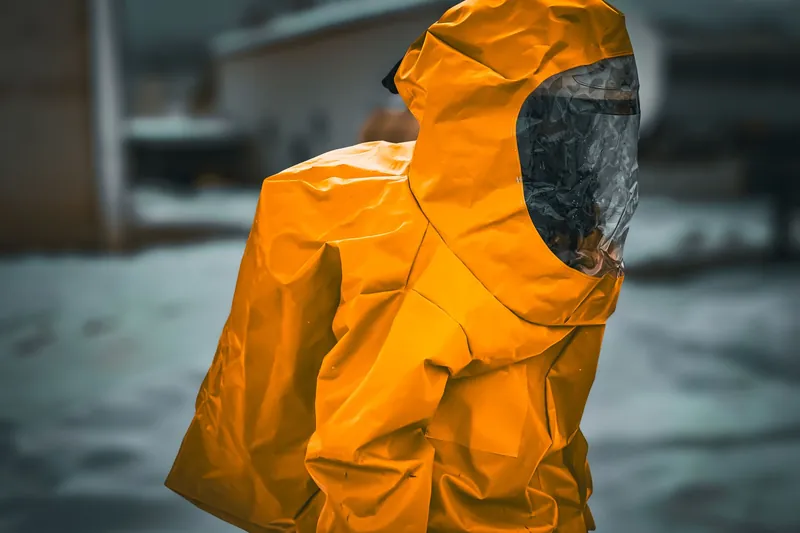
Biohazard Cleanup
Blood, body fluids and other infectious materials are removed, followed by property disinfection.
See biohazard cleanupGet biological contamination removed from a home, apartment, rental or business near Parker. Cleanup can include containment, material removal, disinfection, waste disposal and odor treatment.
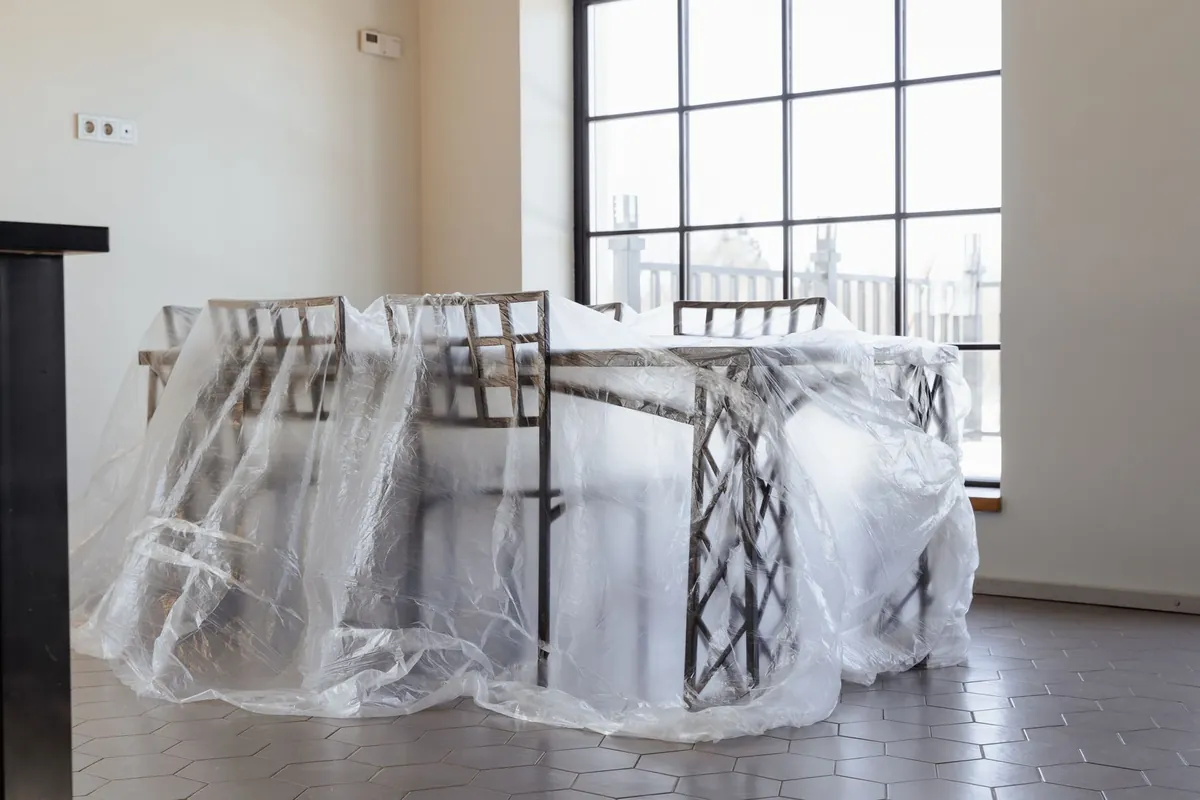
Biohazard remediation is a controlled process that clears biological contamination and returns an affected space to use. It includes surface cleaning and disinfection, disposal of waste and treatment for odor.
Blood, human or animal waste, bodily fluids, sewage and items affected by infectious illness can all be biological hazards at a property. These materials may expose people to harmful toxins or microorganisms. Ordinary cleaning is different because it may not address contamination inside padding, carpet, drywall seams, unfinished wood or other concealed areas.
Biological remediation begins by identifying how far the affected area extends. Depending on the scope, work can involve containment, removal and cleaning. Disinfection and treatment for odor can follow. On cleanable material, an EPA-registered disinfectant remains for its label contact time. Porous material that cannot be disinfected fully is taken out, packaged and disposed of as state rules require. The source comes out before odor is addressed.
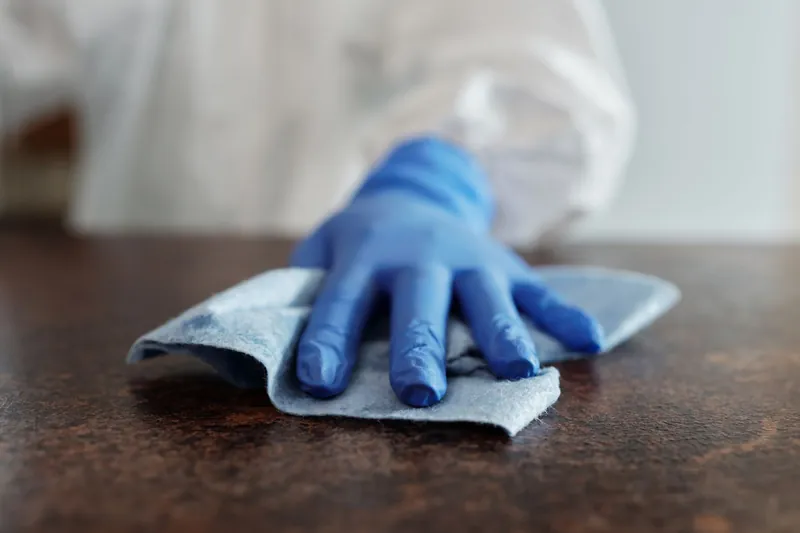
When explaining the loss and completed remediation to a landlord, adjuster or property manager, records may include photos, scope details, invoices and waste documents.
Before anything is relocated, point out important papers and keepsakes. Belongings need separation based on whether cleaning is possible or they remain unaffected.
Crews reach the property using unmarked vehicles. You can ask how access, parking and movement of materials will be managed around neighbors, tenants or staff.
A biohazard remediation company should explain which areas are affected, what will be cleaned, what may be removed and which separate repairs could follow remediation. When comparing biohazard remediation companies, ask who sets the scope and which cleanup technicians will enter the work zone.
You may need biohazard remediation when biological contamination has absorbed into porous material, moved beyond one small surface that can be cleaned or may be dangerous to touch. Do not enter while law enforcement or emergency responders remain active. Wait until they release the area. The scope is then set for that specific situation. Common examples are:
Category 3 black water includes sewage. Cleanup may require removal of wet porous materials, disinfection of cleanable surfaces and drying of surrounding areas.
An unattended death may affect indoor air along with furniture, walls, subfloor and flooring. The cleaning process includes sorting personal belongings with care.
Bodily fluids or blood may spread into upholstery, under floors and behind baseboards. The affected area can reach beyond the mark that is visible.
Once law enforcement has released the scene, biological cleanup may address odor left behind, contaminated contents, blood and bodily fluids inside the property.
Before doing anything else, block access to the affected area. A few basic actions help you avoid exposure and reduce the chance of carrying contamination into unaffected rooms:
Call (888) 440-9227No single number fits every remediation job. Typical work runs $3,000 to $5,000 according to Fixr, while one company guide lists a wider $1,000 to $15,000 per job. They are published planning figures, not an offer. Area size, surfaces, waste disposal and post-cleaning tests decide what you actually pay.
Published national cost guides are the source for these ranges, rather than an inspection of your property. You learn what your property will cost after the on-site assessment and before any work begins.
Ask about cost: (888) 440-9227Insurance may pay toward remediation when your policy includes the cause of the biohazard loss. Your insurance company alone can confirm claim payment because every policy can have different coverage, exclusions and deductibles. The company may request disposal documentation, photos and the cleanup scope.
Check the relevant building and liability coverage when you own a business or property. Insurance assistance can include organizing photos, the cleanup scope, invoices and waste records for the claim file.
Victims of violent crime can ask their judicial district's Crime Victim Compensation program whether cleanup costs can be included in a compensation claim, since several district programs list crime scene cleanup. Insurance is usually checked first.
Learn which documents are required, what limits and exclusions apply, your deductible amount and whether repairs fall outside biological cleanup. Save the claim number and adjuster details.
Tell the insurance company what caused the contamination, rather than reporting only a need for cleanup. Ask if disinfection, material removal, repairs and odor treatment are included under coverage for the loss.
Biohazard remediation begins with assessment, then proceeds through containment, material removal, detailed cleaning and the final check. Following this sequence helps limit contact and cross-contamination while keeping all work within the agreed scope. Removal must come before disinfection when affected material cannot be cleaned.
The assessment includes involved rooms, surrounding surfaces and routes used for movement. The scope records what appears cleanable, what may need removal and what areas need protection.
Barriers separate the work zone from clean space. Crew members use personal protective equipment suited to the exposure and control movement between zones.
Surface cleaning starts only after workers collect visible material and sharps. Puncture-resistant containers hold sharps, while affected absorbent items receive separate packaging.
Carpet, pad, wallboard, insulation, upholstery and parts of the subfloor may be removed if absorbed contamination prevents full disinfection.
Remaining surfaces are cleaned to remove soil, then treated with an EPA-registered disinfectant. The surface stays wet for the contact time stated on the product label.
Work on odor starts once all contaminated sources have been removed. HEPA air filtration and other treatments may be selected according to the material, room and occupancy conditions.
Removed items go to a suitable medical or hazardous waste stream after sealing and any required labeling. Records can document what left the property.
The work area is checked against the agreed scope. Cleanup documentation and photos may support an insurance record before separate repairs restore drywall, flooring or other finishes.
Phone any hour. A biohazard remediation specialist answers, explains the steps and agrees a start time with you.
Biological contamination can seriously risk your health through a splash, skin exposure, a sharp object or transfer on tools, hands and shoes.
An injury, death or serious property event may be hard to confront for you and your loved ones. While you keep out of the affected area, cleanup crews can document the space and clarify each decision.
Rules based on the location and waste type govern how sharps, affected porous material and other waste are sorted, packed and moved.
Carpet can carry fluids into padding and subfloor, while unfinished wood and baseboard gaps may also let them spread. Treating only what you can see can leave contamination behind.
Can you clean it yourself? For a few drops of blood on a hard, non-porous surface, keep others away, wear disposable gloves and use an EPA-registered disinfectant for the full label contact time. When the affected area exceeds clear limits or includes sharps, sewage, unfinished wood, fabric, carpet or drywall, seek professional cleanup.
If each affected surface is reachable and can be cleaned and disinfected, non-porous materials often do not need removal. Contamination beneath an absorbent material's surface may require that material to be taken out.
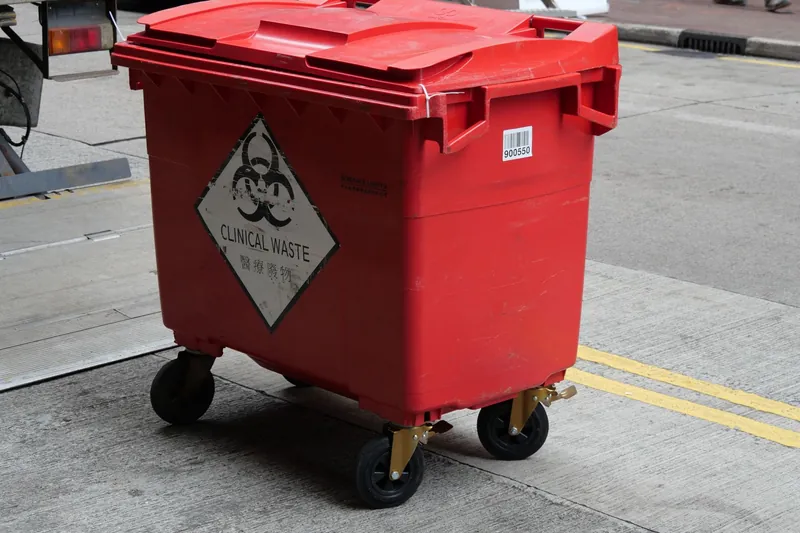
Biohazard remediation has no single standard duration. The time depends on the contaminant, how far it traveled, the materials affected, drying or contact-time requirements, waste volume and whether hidden areas must be opened.
| Scene | Typical time on site |
|---|---|
| Limited surface contamination | When visible edges define the area and surfaces are non-porous, the work is shorter |
| One or more rooms with porous materials | More time if controlled removal involves furniture, carpet, drywall or subfloor |
| Complex or hidden contamination | May require added time for containment, access, drying, odor work or testing |
Controlling biohazard odor requires locating the contaminated source and removing it. Surface sprays and fragrance do not fix fluid under a floor, affected belongings that remain in the room or waste within a wall cavity.
HEPA air scrubbers may capture particles in the air once the source has been removed and cleaning is complete. Other treatments for odor may suit the space, but they cannot take the place of removal and disinfection. Remediation is incomplete if a cleaning service merely masks odor and leaves the source. Checks include vents, nearby rooms and routes used during the event so surrounding contamination is not missed.
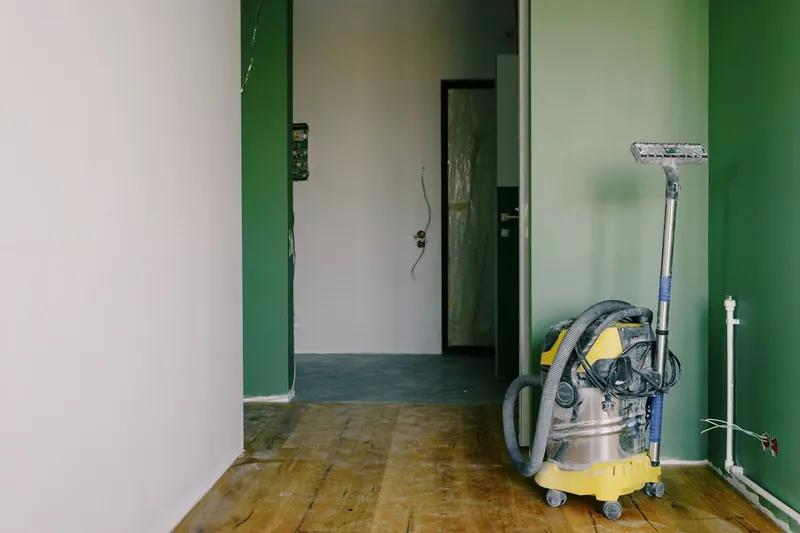
The full biohazard remediation guide covers what is cleaned or removed, odor and air quality work, and the rules that apply in your state.
Read the full biohazard remediation guideContainment, entry and cleanup plans can be influenced by local housing, population and access details.
The 28.2% renter share suggests many residents can make direct decisions about removing contaminated flooring, walls, or personal items.
In housing built around 2004, selective removal can expose affected layers without disturbing finishes outside the cleanup boundary.
Although the share is 21.1%, seniors living alone can still face delayed discovery after an illness, injury, or death.
Because 75.4% of local housing is single-family, owners often can make direct decisions about removing affected structural materials.
You can ask about cleanup in nearby communities and ZIP codes during the call.
Blood, body fluids and other infectious materials are removed, followed by property disinfection.
See biohazard cleanup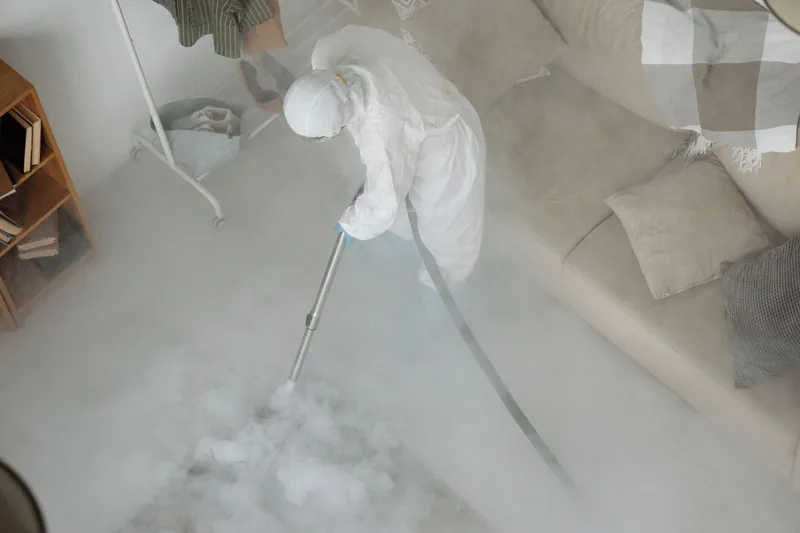
Full decontamination of rooms, surfaces and air after infectious or hazardous exposure.
See biohazard decontamination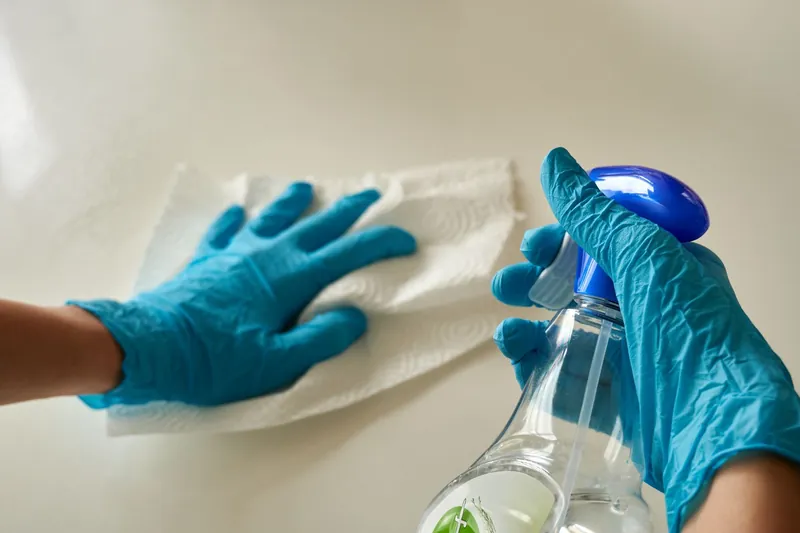
Blood cleanup on carpet, hard floors, walls and furniture with safe disposal.
See blood cleanup
Cleanup that controls hepatitis B, hepatitis C and HIV exposure from blood.
See bloodborne pathogen cleanup
Across care settings, commercial spaces and homes, bodily fluid cleanup includes disinfection.
See bodily fluid cleanup
After the property is released by police, crime scene cleaning removes blood and controls odor.
See crime scene cleanup
Decomposition cleanup and odor control are needed after a death goes unnoticed for several days.
See unattended death cleanup
Disinfection and drying follow sewage cleanup of Category 3 black water from raw sewage.
See raw sewage cleanupEvery cleanup job has a different timeframe. A limited area on non-porous surfaces takes less work than contamination beneath carpet, drywall or subfloor. Timing may also depend on containment, drying, disinfectant contact time, odor work, amount of waste, access to the property and any scope testing.
No. Tear gas and pepper spray leave chemical irritant residue, while biohazard remediation focuses on blood, bodily fluids, sewage and other biological contamination. For chemical contamination, hazardous materials remediation, or hazmat remediation, might be necessary. Vehicle biohazard remediation applies the biological process inside a vehicle. Mold and sewage remediation remain separate because a backup can leave wet materials that may grow mold.
Cleaning and disinfection may be possible for hard, sealed furnishings when workers can reach the entire affected surface. Upholstered or absorbent items may need removal if contamination entered the material. Photos, documents and keepsakes can be reviewed with you and separated from the work zone before disposal decisions are made.
Yes, dry blood remains a potential biological hazard. According to the CDC, hepatitis B can remain viable on surfaces for at least seven days. Keep bare hands away and avoid ordinary vacuuming or sweeping. Soil must first be removed by cleaning, after which disinfection needs the right product used for its complete label contact time.
Pricing varies widely among published guides. Fixr lists a typical national range of $3,000 to $5,000 and a company pricing guide shows a wider span of $1,000 to $15,000 per job. What contamination is present, how large the space is, which surfaces are affected, the waste disposal and any post-cleaning tests all influence scope.
When only a few fresh drops affect hard material without pores, you may manage the spot using gloves you discard and an EPA-registered disinfectant exactly as labeled. Seek professional cleanup for unknown material, possible exposure, sewage, sharp objects, contamination inside porous surfaces or spread beyond the edges you can see.
Discreet, respectful biohazard remediation, 24 hours a day, with crews in unmarked vehicles.